
Common Sleep Disorders and Their Symptoms
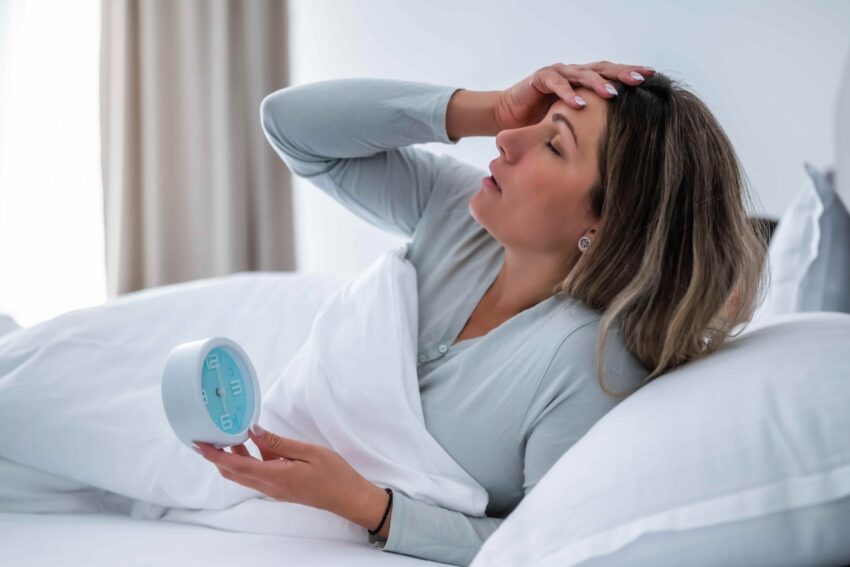
Sleep is one of the basic building blocks of physical health, mental wellness, and life quality. But millions of people all around the world suffer from sleep disorders that prevent restful and restorative sleep. If not treated, sleep disorders can lead to fatigue, poor concentration, mood changes and even long-term health complications. By knowing the most common sleep disorders and their symptoms, people can be aware of the potential problems they may encounter and know when to seek treatment.
Insomnia
Insomnia is a popular one among as many people face it often, and difficulties to fall asleep instantly staring at the ceiling forces them to stay awake. Insomniacs are often frustrated with the perceived quality of their sleep and that excessive daytime sleepiness is only but a part of a bigger whole and may experience fatigue, irritability, lowered concentration, and increased loss in productivity.
There are multiple reasons why someone may experience insomnia, from stress or anxiety to poor sleeping habits or medications and even medical conditions. Chronic insomnia is different in that its symptoms reflect the problems in sleep which last at least some weeks occasionally sleeplessness can be perfectly normal. Insomnia, when not managed well can take a toll on the physical health as well as mental health too.
Sleep Apnea
Sleep Apnea is a potentially serious sleep disorder in which breathing repeatedly stops and starts. Obstructive sleep apnea the most common variety happens when throat muscles relax too much and close the airway.
The most common symptoms of sleep apnea include excessive daytime sleepiness, heavy snoring, feeling like you are gasping for breath during the night, waking with a dry mouth and having trouble thinking straight. Most people with sleep apnoea donot realise that they have it as the episodes of breathing pauses happen during sleep.
Untreated, sleep apnea can make you more likely to have high blood pressure, heart problems and strokes, or diabetes. Timely diagnosis and treatment can help avoid complications, as well as enhance sleep quality.
Restless Legs Syndrome (RLS)
Restless Legs Syndrome: A neurological disorder characterized by an uncontrollable urge to move the legs. The feeling is typically described as a tingle, a crawl, an itch or ache from within the legs.
Symptoms are often better in the morning during daytime for most people and worse at night, which can make getting to sleep hard. People with RLS often find their sleep disturbed because they move their legs frequently to relieve the discomfort. This, in turn makes one lethargic and leaves you feeling sleepy and tired all day.
The cause of RLS is not always known, but can include genetic factors, iron deficiency or low iron levels and medical conditions.
Narcolepsy
Narcolepsy is a chronic neurological disorder in which the brain fails to regulate sleep-wake cycles. Narcolepsy patients suffer from excessive daytime sleepiness no matter how well they sleep at night.
And one of the classic, characteristic symptoms of narcolepsy is sleep attacks, in which a person falls asleep suddenly while engaged in normal activities. Other signs include sleep paralysis, which occurs as the person falls asleep or wakens with hallucinations or vivid dreams; and cataplexy, where a sudden strong emotion such as laughter causes them to become weak.
When untreated, narcolepsy can be debilitating for work, school and social life, but good treatment can enable people with narcolepsy to manage the condition effectively.
Parasomnias
Parasomnias(abnormal sleep behavior) they are a disorder of unwanted physical activity by skeletal muscle during sleep. You might have heard about it before, some common examples being sleepwalking, sleep talking, night terrors and REM sleep behaviour disorder.
People in the middle of a parasomnia might execute complicated behaviors without recalling it after awakening. Sleepwalking and night terrors are often seen in children, but adults can also experience these conditions.
Symptoms depend on the specific parasomnia, but generally consist of strange movements, sounds during sleep, disorientation upon awakening and fragmented sleep for both the person and their family.
Circadian Rhythm Sleep Disorders
This can be referred to as circadian rhythm sleep disorders when the internal clock of the body gets misaligned with outside ambience. This may result from weariness related to shift work, jet lag, irregular schedules and other biological factors.
Those having circadian rhythm disorders can either have night owls difficulty in falling asleep on normal times, or wake early or going to sleep at odd hours. Common symptoms include insomnia, excessive daytime sleepiness, fatigue, difficulty functioning at work or school.
Fortunately, lifestyle changes, light therapy and stable sleep schedules can usually improve these disorders.
Conclusion
Sleep disorder is a type of health issue that plays an important role in human life as well overall performance. Common sleep disorders that can disrupt normal and healthy sleep include insomnia, sleep apnea, restless legs syndrome, narcolepsy, parasomnias (unusual behaviors during sleep), and circadian rhythm disorders. The first step in receiving an accurate diagnosis and treatment is to identify these symptoms early. Prompt identification and treatment of sleep disorders can lead to better quality sleep, improved health and an overall higher quality of life.


Leave a Reply